#future
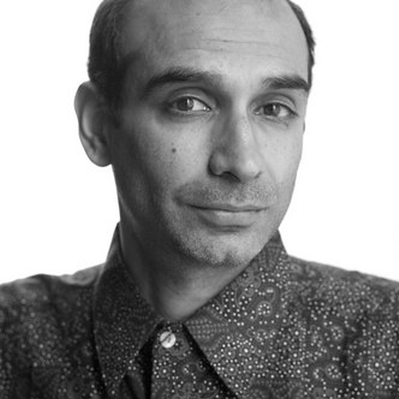
"When we talk about time, we usually refer to the past as being behind us and the future being ahead of us.
"This space-time arrangement seems so totally natural to us, it’s hard to imagine what it would be like to think otherwise.
"Years ago, I read about the Aymara, a tribe of Indigenous people in South America who have a way of thinking about time that’s the complete reverse of our own.
"They refer to the future as “back” or “behind” time, and the past as “front” time.
"When they speak about the past, they gesture ahead of them, and when they speak about the future, they gesture behind them.
"The reason they point ahead when talking about the past is that the past is known—it has already happened, therefore, it’s in front of you, where you can see it.
"The future, on the other hand, is unknown—it hasn’t happened yet, so it’s behind you, where you can’t see it.
"I read about this almost fifteen years ago and it still blows my mind.
"The past is in front of us. The future is behind us."
-- Quote from page 150 of "Don't Call It Art: 10 Ways to Create Like a Kid Again", Book by Austin Kleon

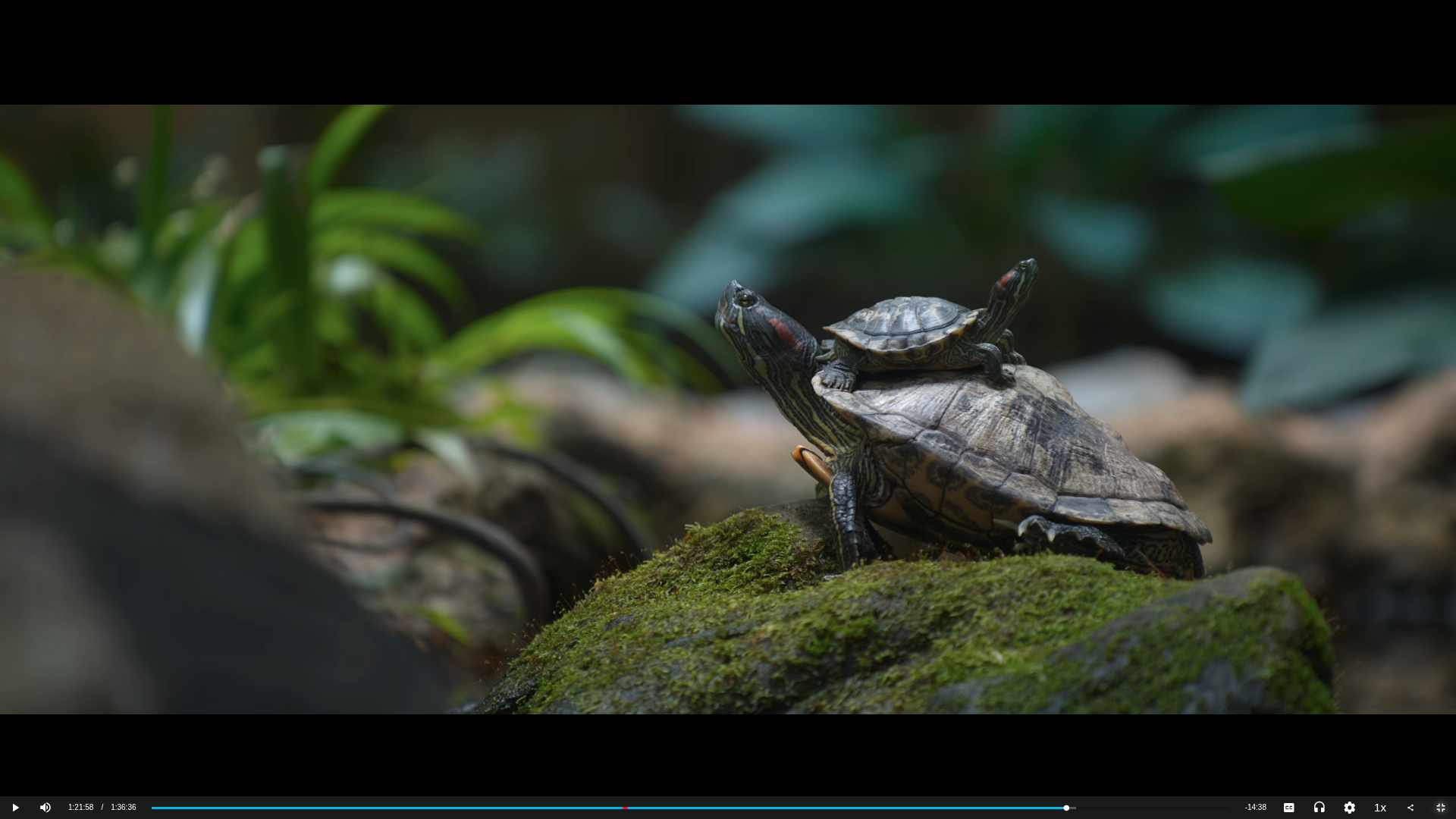
"How to live on Earth"
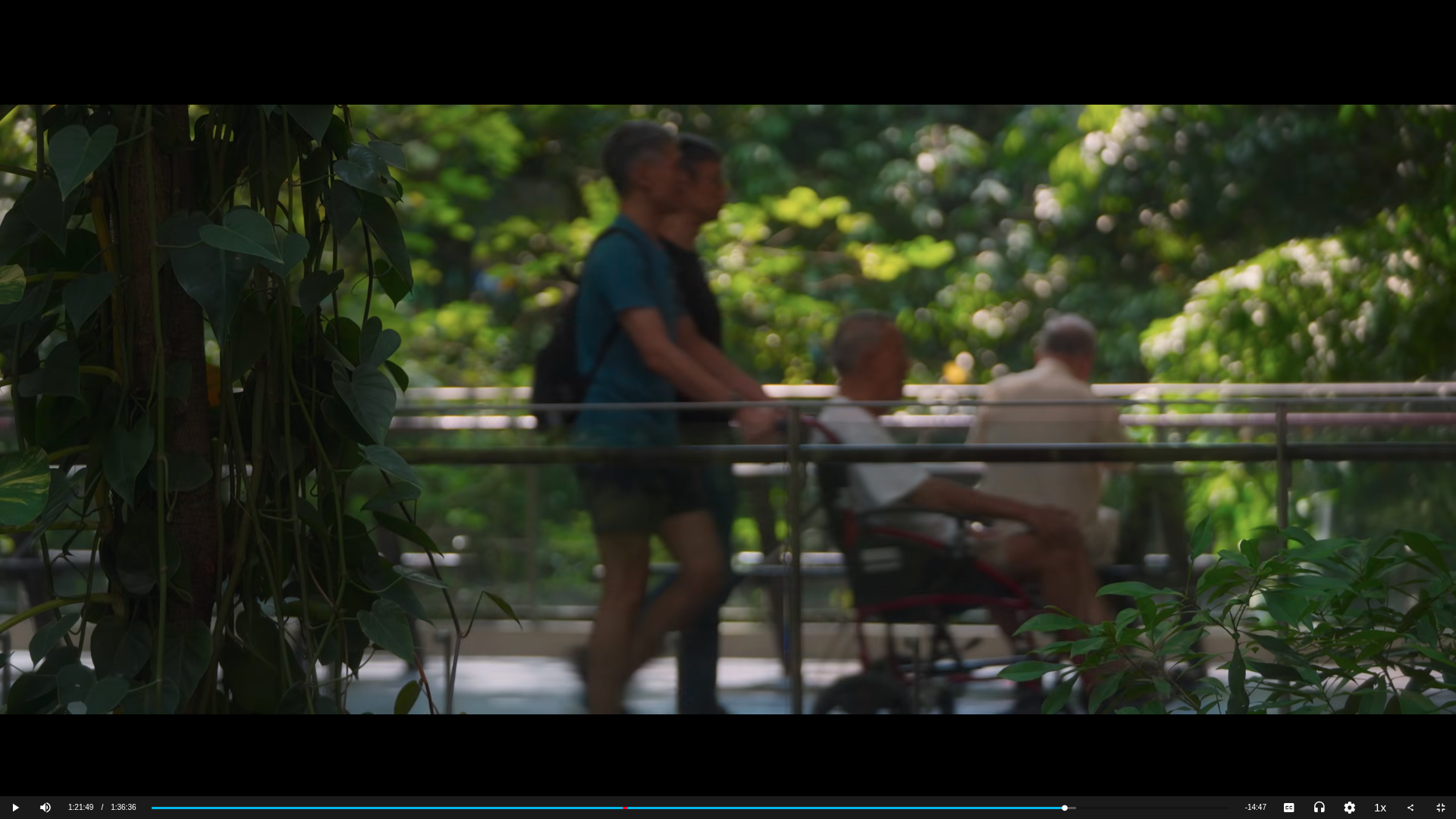
“Singapur has a philosophy of making space for nature throughout the city. This philosophy runs so deep that it’s even applied to a hospital.”
--
Have you ever seen this kind of lush green within a hospital?
Sooo beautiful, don't you think?
Shouldn't it be that way everywhere, in every hospital?
Nature heals people, what do you think?
(Benedict Cumberbatch is a great narrator in this documentary!)
Take your time and watch this inspiring documentary!
--
“How to Live on Earth | Feature Documentary | Presented by Benedict Cumberbatch”
https://inv.nadeko.net/watch?v=h3mRsvFmWi0
(https://youtu.be/h3mRsvFmWi0)
#HowToLiveOnEarth #OpenPlanet #BenedictCumberbatch #Nature #NatureIsHealing #Future #Singapur
"How to Live on Earth | Feature Documentary | Presented by Benedict Cumberbatch"
"What if the solutions to building a better future already exist?
How to Live on Earth is an ambitious feature documentary that explores how humanity can build a safe and thriving future by working with nature, not against it.
Presented by Benedict Cumberbatch, the film presents the ultimate hack, showing what becomes possible when we team up with nature to solve our greatest challenges.
Heart-warming, entertaining and energising, the film presents a hopeful vision of a future within reach – one in which nature thrives, and so do we."
https://inv.nadeko.net/h3mRsvFmWi0
(https://youtu.be/h3mRsvFmWi0)
#OpenPlanet #BenedictCumberbatch #HowToLiveOnEarth #PlanetEarth #Future #Documentary
»The World We Forgot Was Possible«
„When did believing in a better future become more ridiculous than believing in the end of the world?“
https://inv.nadeko.net/watch?v=Oo7sBrX1iA4
"The Future Belongs To The Weird"
https://essays.georgestrakhov.com/weird/
#GeorgeStrakhov #Future #Weirdness #weird #Essay #WorthReading
„Solarpunk is a prefigurative, utopian artistic and activist movement that envisions what the future might look like if humanity solved major modern challenges like climate change, and created more sustainable and balanced societies.
As a genre and cultural aesthetic, it encompasses literature, visual art, fashion, video games, architecture, and more. Solarpunk carries many aspects of punk ideologies such as rebelliousness, humanitarianism, egalitarianism, animal rights, decolonization, anti-racism, anti-sexism, anti-authoritarianism, anti-corporatism, and anti-consumerism.
Similar to the cyberpunk genre, the big difference between the two is that in solarpunk technology and nature are in harmony with one another rather than in conflict.
Not all solarpunk stories take place in idealistic utopias. Many tales are rife with compelling conflict among people and communities optimistically striving to reach that ideal while still struggling to solve existing challenges. But all solarpunk stories do have things in common such as future or near-future settings, optimistic perspectives, and looking toward a better future with at least a growing harmony between nature, technology, and humanity.
In short, solarpunk stories are decidedly not dystopias.“
Justine Norton-Kertson via »Towards Solarpunk Futures«
#Solarpunk #Storytelling #Fiction #Writing #Future #JustineNortonKertson
„Margaret Atwood once wrote that climate change is »everything change«.
(...) for solutions to happen, they must address everything that is changing.
Solarpunk seems to offer a multiplicity of, if not solutions, then ideas to begin addressing climate change via better ways of mitigating the worse effects of everything change. Solarpunk is the climb toward a better world that is realistic and possible.
Many think solarpunk is utopian, but utopian is "no place" and not reachable. A better word might be "ustopia," which Atwood coined; it refers to something non-binary (i.e., not dystopia or utopia) but something combining both of these ideas that we (us) can do together.
Another new concept is optopia, which refers to a more realistic version of a place we can reach, “the best possible world we can create.” Getting the opias out of the way, solarpunk takes place in multiple agencies:
art, architecture, music, fashion, technology, literature, and more, which sort of underline the everything part of ecological and climate changes.
It's a movement toward a better world in all aspects, building toward cleaner energy, more greenspaces, social justice, egalitarian ideas, and so much more. A degree of aesthetic is involved, but beneath it all is genuine concern for the well-being of everything and everyone.
The punk part of it refers to the fact that we have to fight the current status quo of fossil fuels and other fossil ideas every step of the way.“
Mary Woodbury via »Towards Solarpunk Futures«
#Solarpunk #Storytelling #Fiction #Writing #Future #Ustopia #Optopia #MaryWoodbury
„Solarpunk is a movement of artists, writers, and activists interested in changing the trajectory of our world for the better.
As a genre of fiction, solarpunk comprises optimistic science fiction stories that engage with issues of environmental and social injustice. Solarpunk stories don't always elaborate on the specific solutions that led to a better world, but they do always strive to show that better futures are possible. Often paired with the aesthetic of Art Nouveau—which was historically an anti-capitalist movement—solarpunk worlds strive for a balance of nature and technology, with degrowth and decentralization as core values.
A lot of climate fiction focuses on the disasters and the dystopian outcomes of climate change and ecological collapse. Solarpunk doesn’t ignore those issues, but it focuses on how we make the world better, and how we thrive and adapt in the world we’re headed into. It’s an interruption of the narrative that we are doomed and there’s nothing we can do about it. Negative messaging about climate change tends to make people feel hopeless, and the cognitive dissonance produced when blame is pointed at individual action can actually bolster denialism. So solarpunk uses different tactics to try to get people’s attention. Rather than “if this goes on, here’s the worst that can happen,” solarpunk says, “if we change direction, here’s a better version of what could happen.”
Sarena Ulibarri
via "Towards Solarpunk Futures"
https://www.tc.columbia.edu/sustainability/news/stories/2022/solarpunk/
#Solarpunk #Storytelling #Fiction #Writing #Future #SarenaUlibarri