#littlefedi
@fasnix WordPress doesn't require me to host or install anything. I'm adept with Markdown and I have some HTML knowledge, but that's about as far as my programming skills go. Before littleFedi, I hadn't found any software that really motivated me to try hosting myself.
I love littleFedi. It's like what I would have designed if I wrote code. Exactly the kind of short-form dynamic social media and long-form static blogging that I've cobbled together with various Fedi clients and WordPress, in one place. The only thing that could possibly make littleFedi better is if I could install it like I would an app on my phone: download, click install, and I'm good to start setting up my instance for use just like that.
As it is, I know it's not going to be that straightforward. I may spend many more hours figuring out how to install and run and maintain my own instance.
#littleFedi seems worth that trouble to me in a way that no other Fedi/blog software has up to now.
I spent several hours this morning trying to make my website look and feel somewhat close to something that I can be happy with. I'm not thrilled with the results, but it's good enough to stop for the day.
I hate working with WordPress 😒
I can't wait to try my hand at running my own #littleFedi instance instead! (Praying to the deer gods that I can figure out how to do that 🙏)

@stefano odd rendering issue on this post with images:
https://biologists.social/users/stefanfwirth/statuses/117298750201551995
Any #littleFedinauts see anything like this in their feeds?

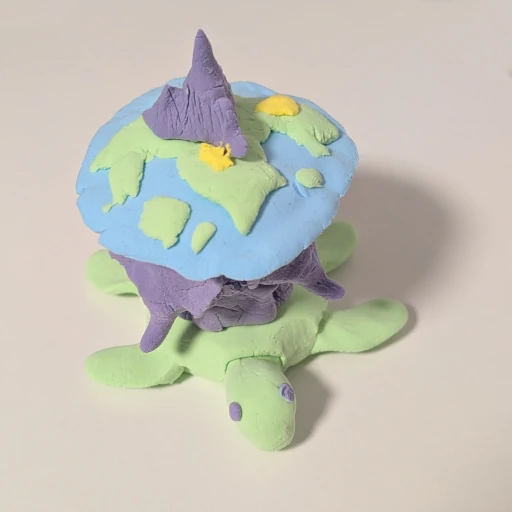
What will littleFedi's official-ish Plushie end up being ?
Whatever it is,
I want one.
Or two.
Or a few.
| #littleFedi #ActivityPub #Plushies #Plushie #Stuffies #Stuffie #Stuffy

@pluvialgeist I've had a personal website for 20 years. Currently using pureblog.org as CMS software. Its quick, simple and gives me the option to do short form or long form blog or social posts. Having said that, I will also host all my family social media on #littlefedi.
@epn4littlefedi I only had time to skim this article—plan to read it in full later this evening—but I've definitely been itching for more control over my online presence. I don't necessarily need or want a "website," but a single-user Fedi server seems very attractive. My issue is that most Fedi clients focus on short-form posting. I like short-form just fine, but I also want to share long-form stuff now and again. This is where #littleFedi comes into the picture. Short-form posting and a static blog page for long-form posts? Exactly what I've been looking for 👌
I really, really want to host my own single-user littleFedi instance. I just worry that the technical aspects of installing and maintaining littleFedi might be beyond me 😬
Hello, world!
I'm here to try #littlefedi, but usually I post as @marek@m5l.eu. Thanks for having me here :)
Topics I've been enjoying recently #zig #lua #html #netbsd on a little old Thinkpad with my little 42-key keyboard, in the little spare time I can gather...
Can littleFedi visually become an alternative to Instagram ?
Yes, there already exist Fediverse alternative(s) to Instagram.
I am asking for an alternative to those alternative(s) by using littleFedi.
My original approach was to use ClassicPress (née Wordpress [sic]),
with the Wordpress ActivityPub plugin installed,
and then via child-theme changes alter Ander Noren's Hitchcock theme to instagram-ish it:
https://andersnoren.se/teman/hitchcock-wordpress-theme/
DEMO : https://hitchcock.andersnoren.se/
SO what I am asking specifically is,
Can the front page of a littleFedi instance have three square images displayed horizontally as the local timeline feed?
Once anyone clicks on an image, it can take us to the existing format for how littleFedi displays any regular post.
Akin to the design choices of Anders Noren's Hitchcock theme.
Beyond that,
Perhaps for an Image-centric littleFedi instance, make adding an image a requirement for the post going live, I feel and think this is reasonable.
An Admin decision by the instance operator to change the maximum images of a littleFedi post from the default Four (4) to whatever else makes sense for their online community, maybe Ten images or more. ...Or Even ONE for that photoblog feel.
@littlefedi_official@littleone.littlefedi.social
Will #littleFedi be able to work in shared webhosting environments?
Many non-too-technical people are able to manage choosing a webhosting company, figure out how to install wordpress, and then get on with their online lives by posting, blogging and so on.
Can littleFedi likewise be accessible by non-too-technical folks ?
Currently watching livestream of the European CentralBank research conference :
https://www.youtube.com/watch?v=FWdKBVTIMxA
| #ECB #EuropeanCentralBank #GeoEconomicPower #GeoEconomic
( Also wondering how/if livestreams appear within #LittleFedi )

Hello from littleFedi 👋
This is the official account for littleFedi.
littleFedi is a lightweight, efficient and Mastodon-compatible platform for the Fediverse.
The idea behind it is simple: software should adapt to the machine and the community, not the other way around.
littleFedi can run on modest hardware, but it is not designed only for small machines. The same approach is meant to scale with you, from a tiny personal instance to a larger community.
Our priorities are:
- Efficiency, without unnecessary resource usage
- Simplicity, both for users and administrators
- Interoperability, with the wider Fediverse
- Accessibility, including a usable no-JavaScript baseline
- Control, because your instance should remain yours
- No AI features, no magic black boxes, just predictable software and transparent algorithms
The project is still evolving, and we are deliberately taking the time to test federation, scalability and the rough edges before calling it ready.
This account will be used for releases, development updates, technical notes, demos and everything related to littleFedi.
🧪 Demo: https://littleone.littlefedi.social
Small footprint when you need it. Room to grow when you need that too.
Welcome to littleFedi.
 2
❤️ 3
2
❤️ 3
 1
❤ 2
1
❤ 2
 1
1
 1
1
 1
1
 2
🆒 1
👍 1
2
🆒 1
👍 1
Hello!
I've just pushed a new build and it should fix the Icecubes (on iOS) and Tusky (on Android) compatibility issues. If you were affected, could you please test?
Hello, friends at littleOne!
I'm slowly recovering from the "after EuroBSDCon" queue of things to do, and I'll put some time and effort on littleFedi in the coming days.
I've forwarded a list of bugs & features to the team and they worked on it, so I'll merge them in the coming days. Stay tuned!
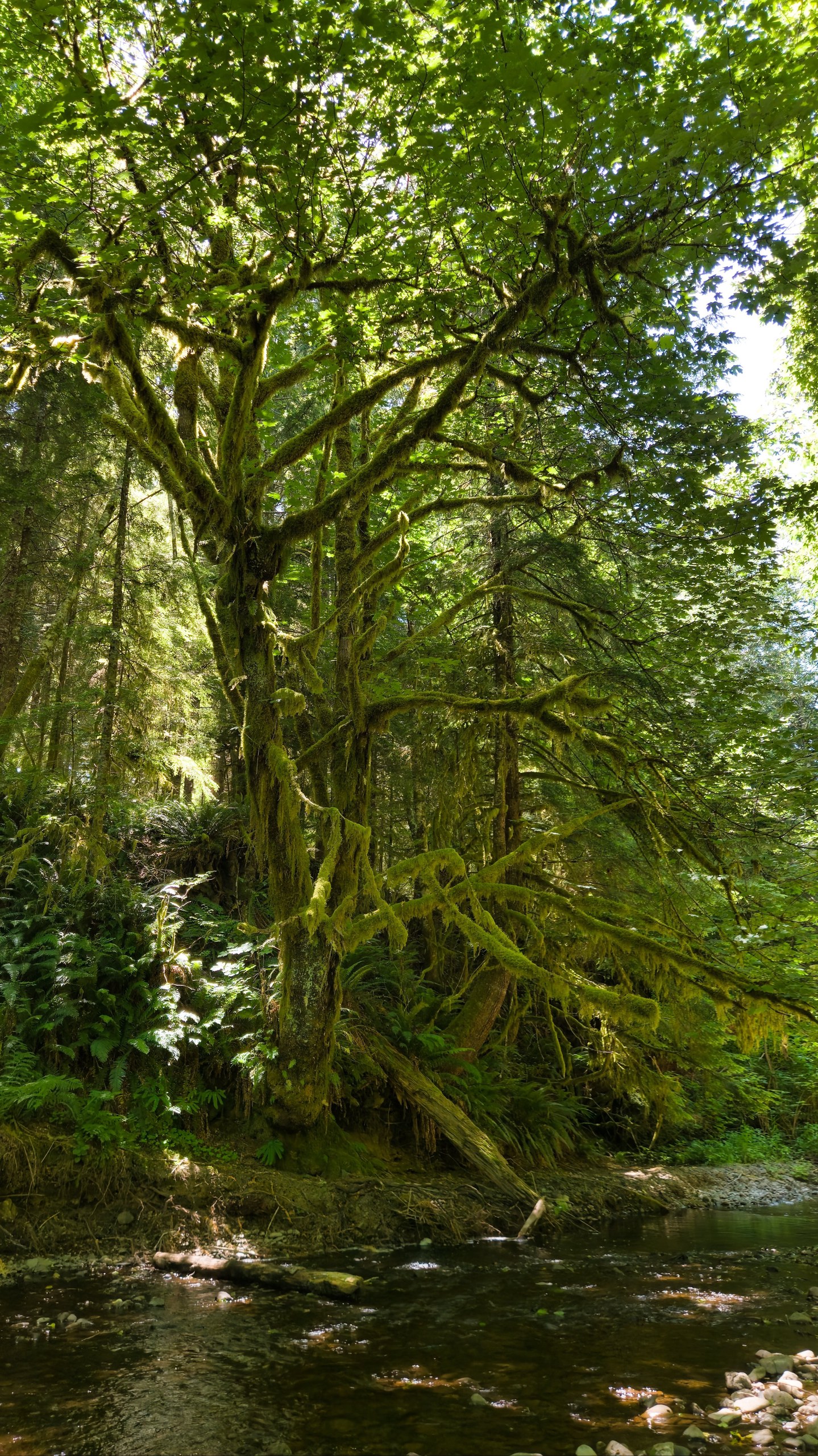
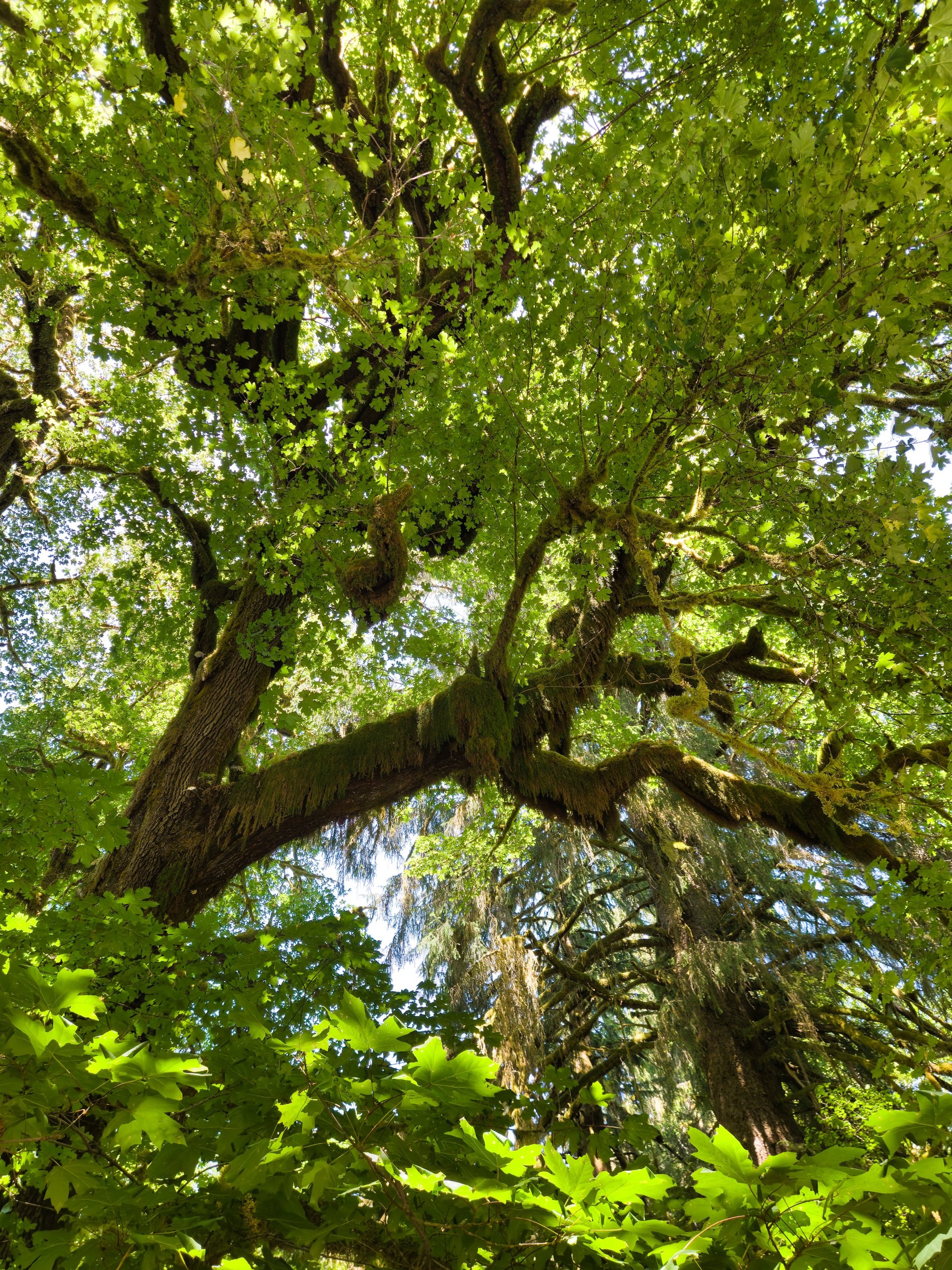
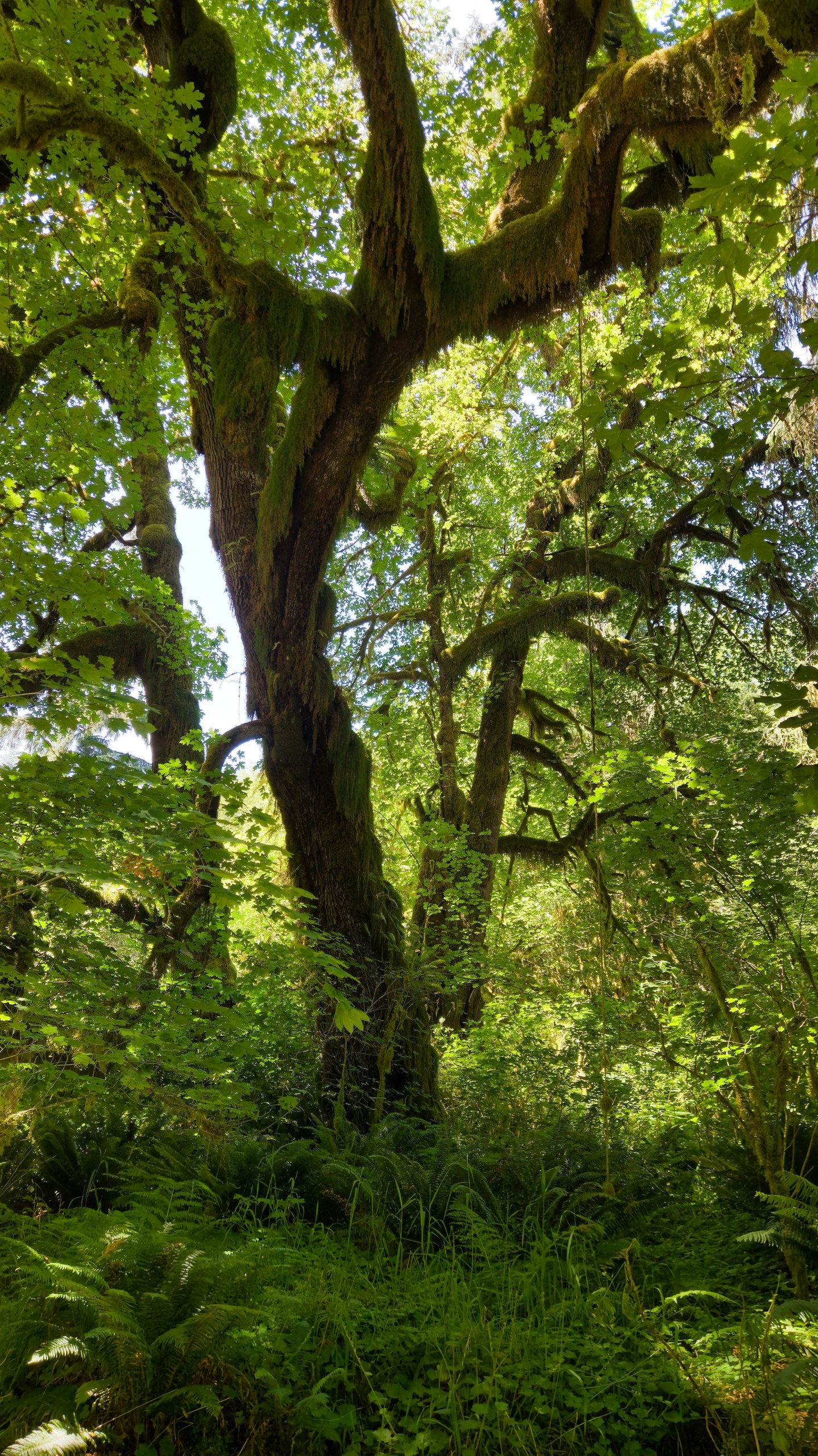
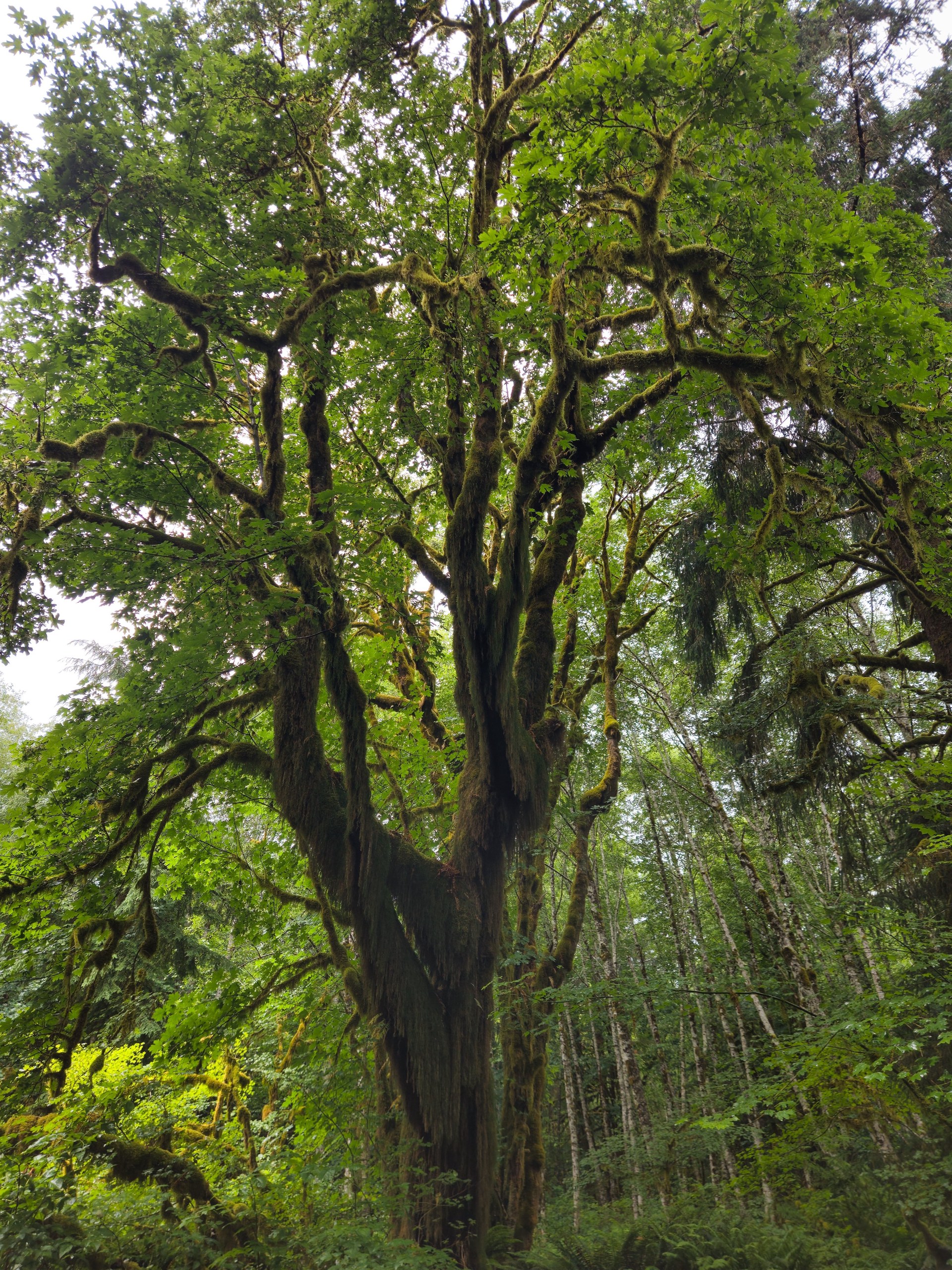
Now testing a #littleFedi post scheduled 24+ hours ago with more magnificent Acer macrophyllum. I will never cease to be amazed by these organisms and their (many) symbiotes.
Deer gods 🦌🙏 I love these temperate rainforests 💚
@nature@fedigroups.social @photography@fedigroups.social
#Cascadia #PNW #Photography #Nature #Forests #Trees #Moss #Mosstodon #Wikipedia

Sorry dear #littlefedi friends - been busy the last couple of weeks with life and personal events. Now back onto breaking, I mean testing things. 😎
I like that littleFedi is designed to pull in and display ALL the images included in one's original PixelFed post.
Other Fediverse options may only display up to the first four images/media on PixelFed posts,
Truncating any media beyond that,
With result being we may not see images five, six, and so forth if they exist within that PixelFed post.
I am quote posting this on my littleOne | littleFedi to also simply see how it looks on my own feed.
 @ajsadauskas@pixelfed.social
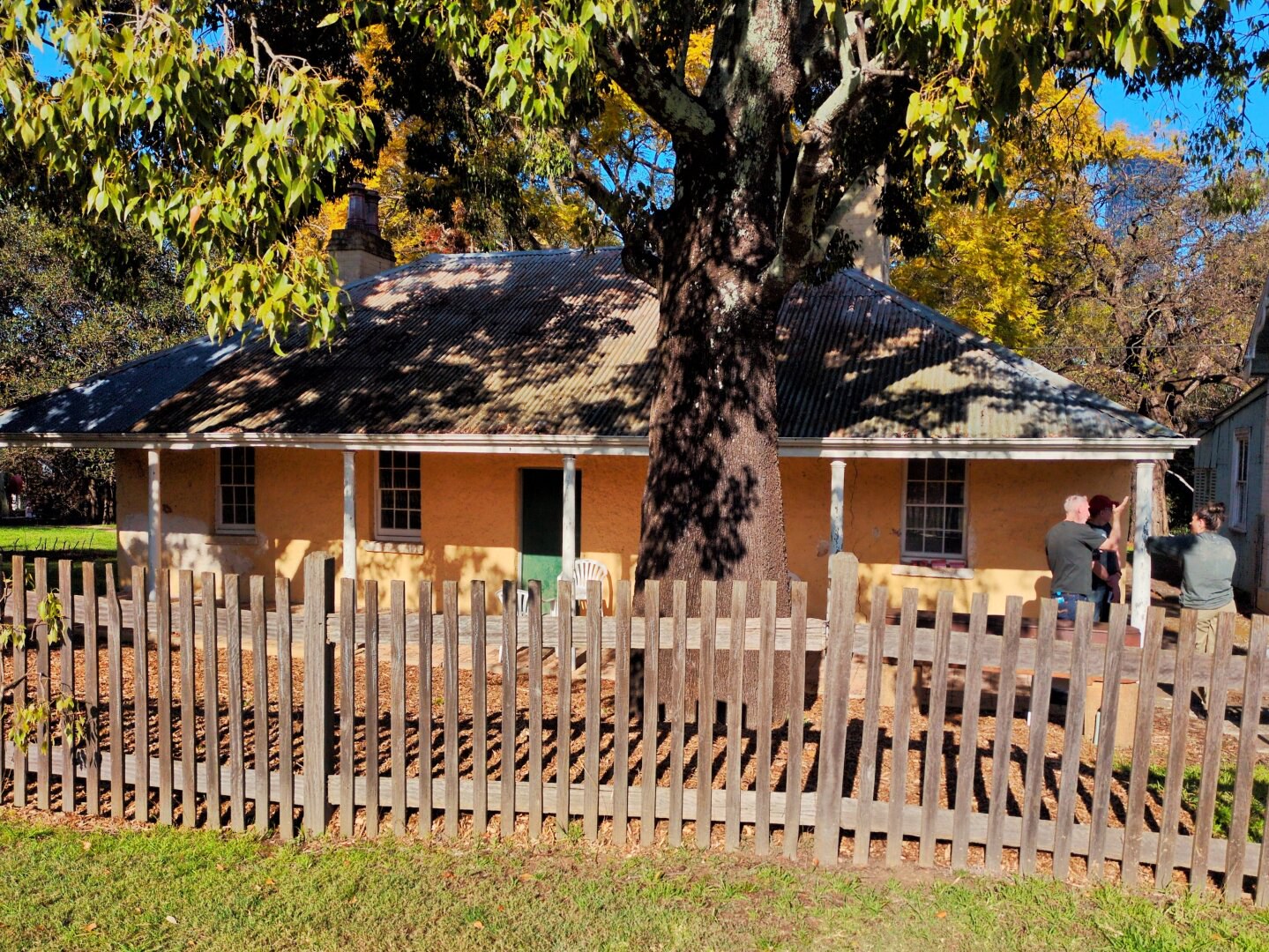
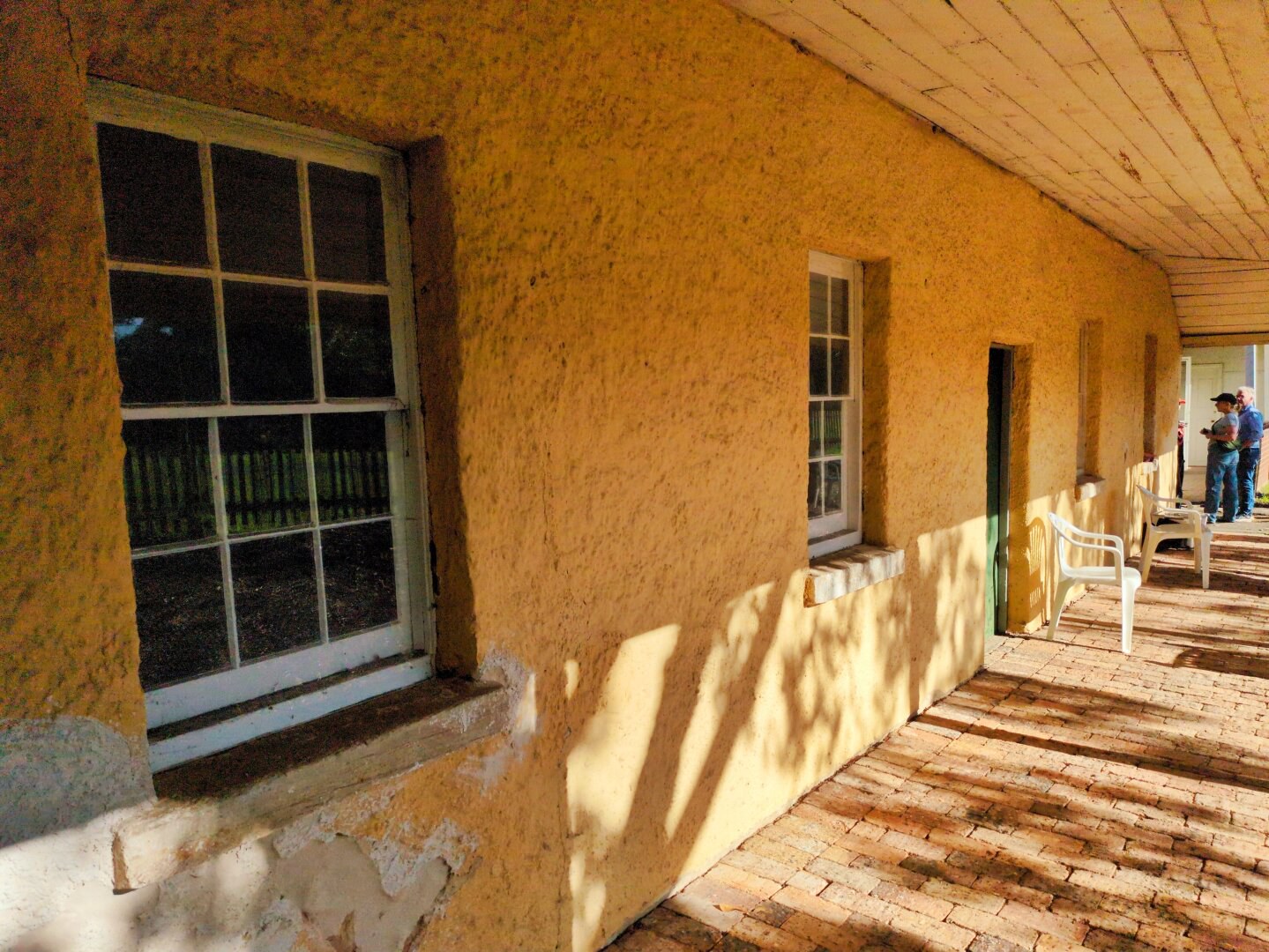
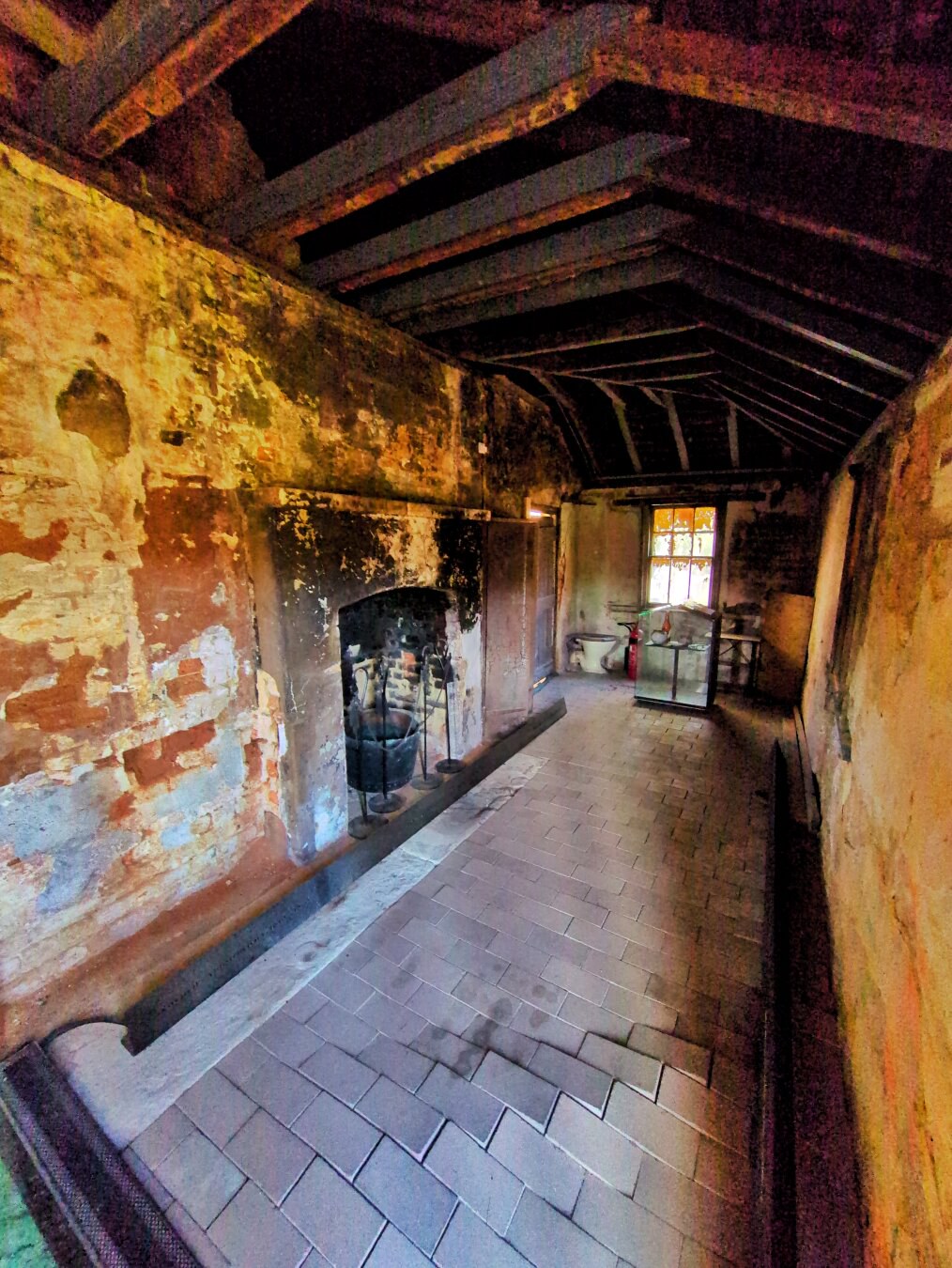
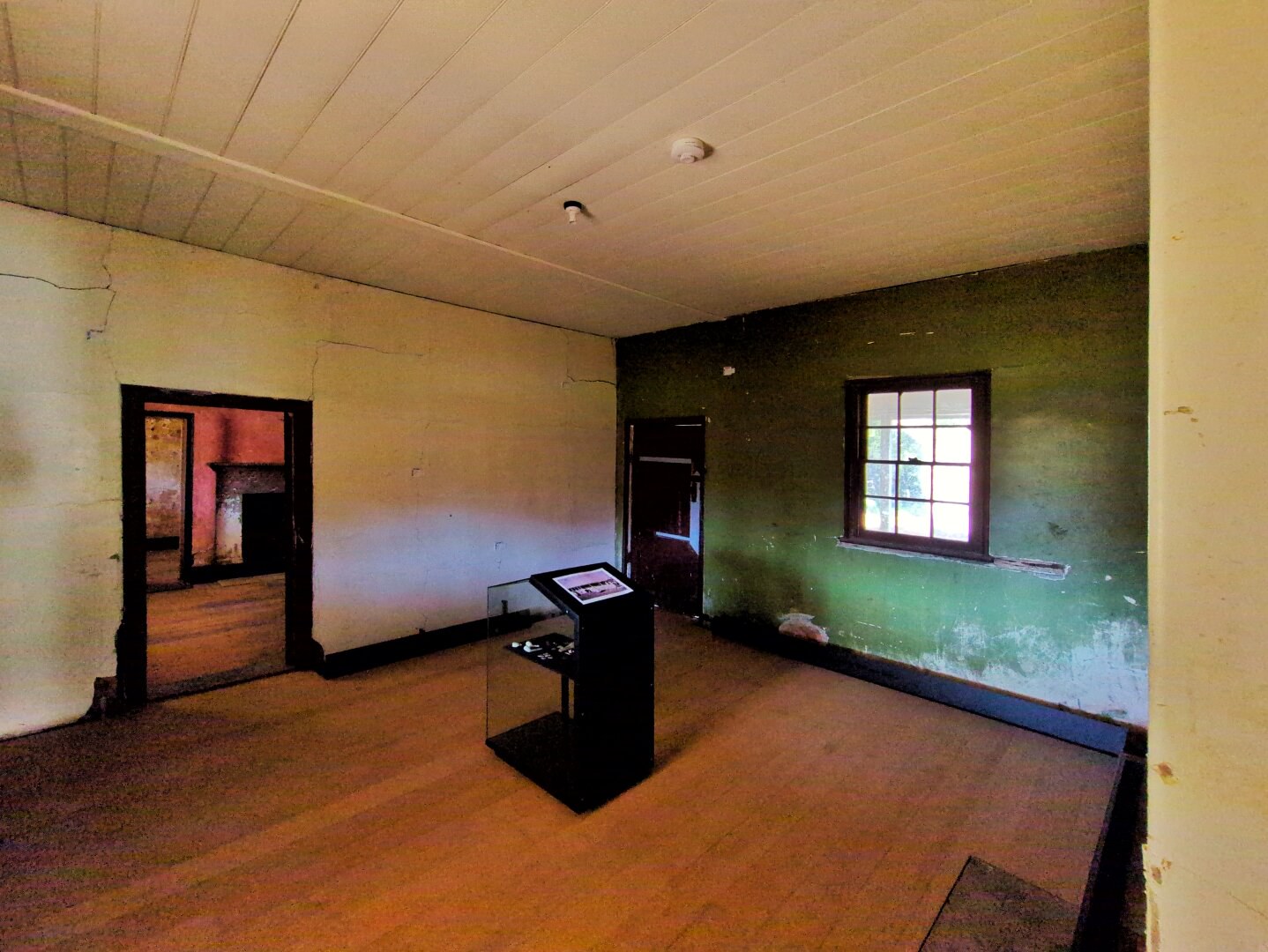
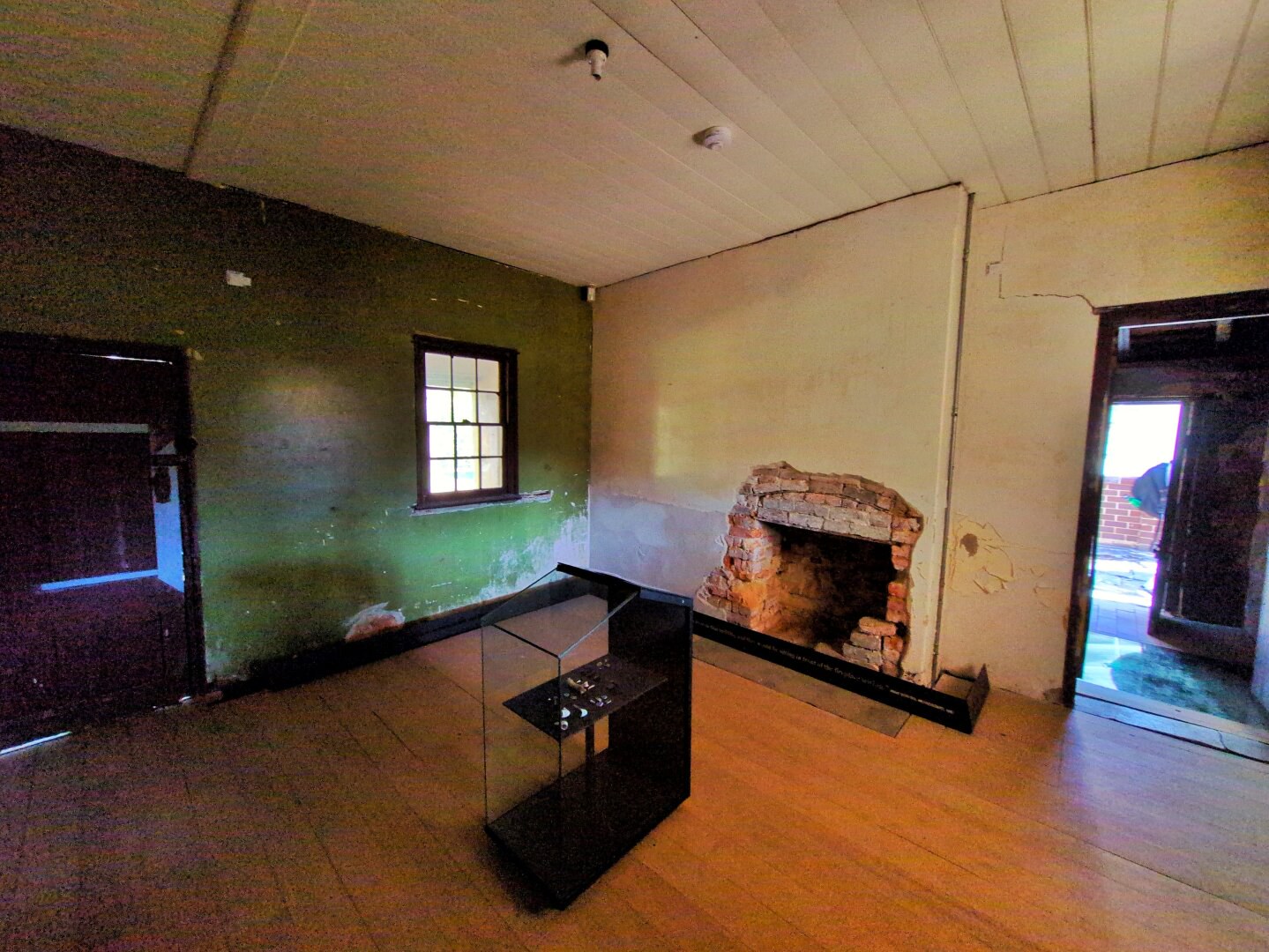
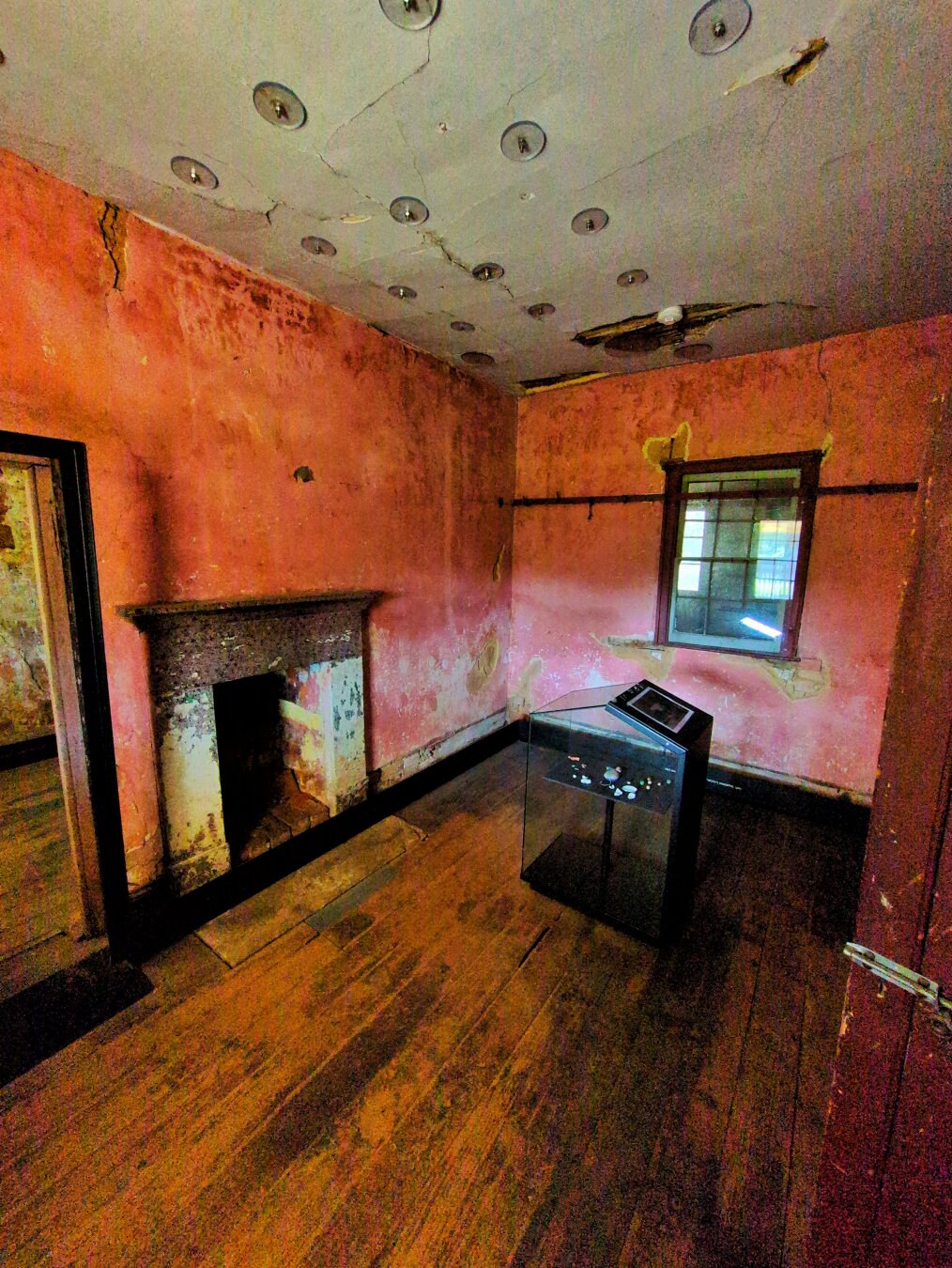
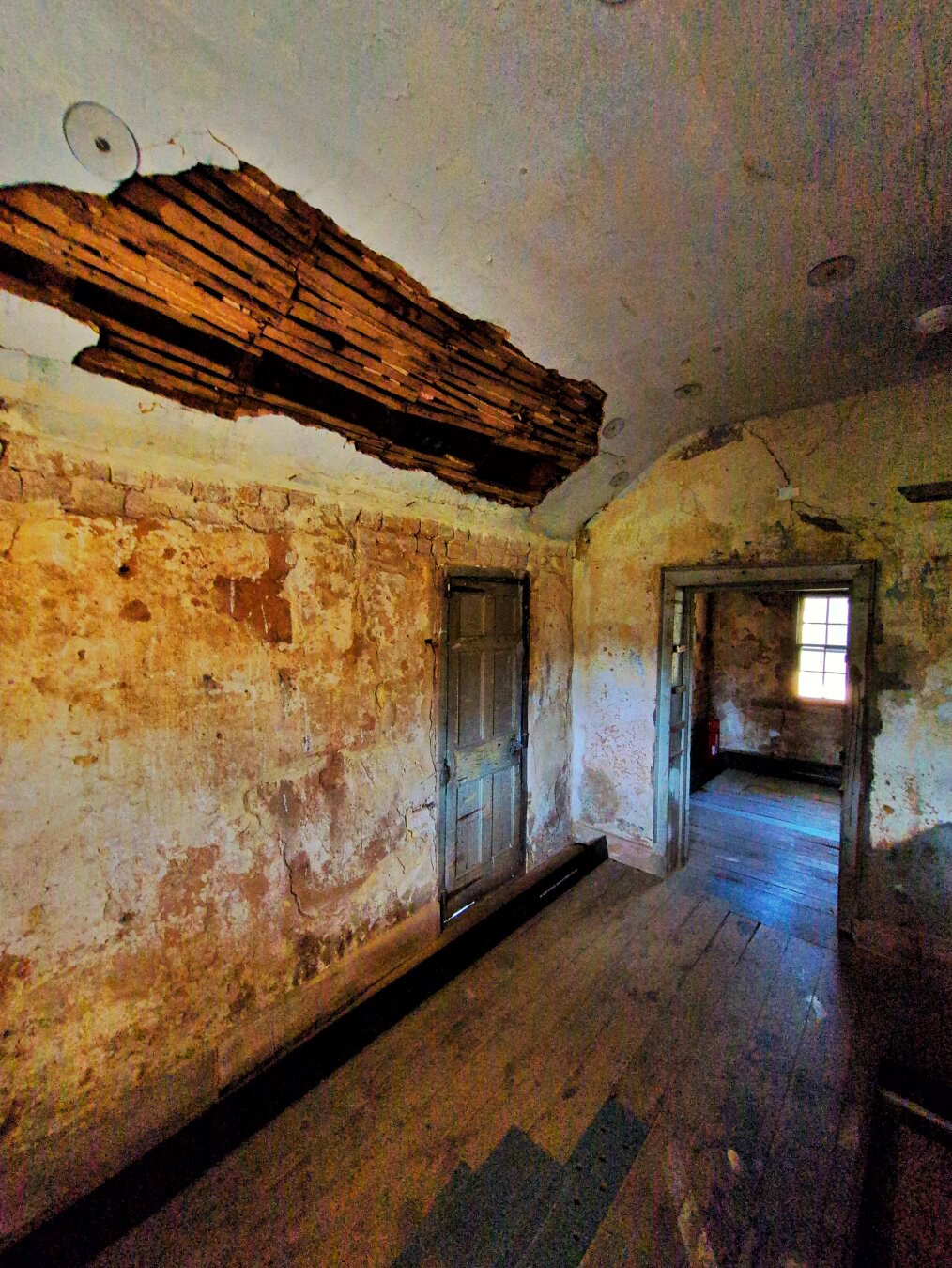
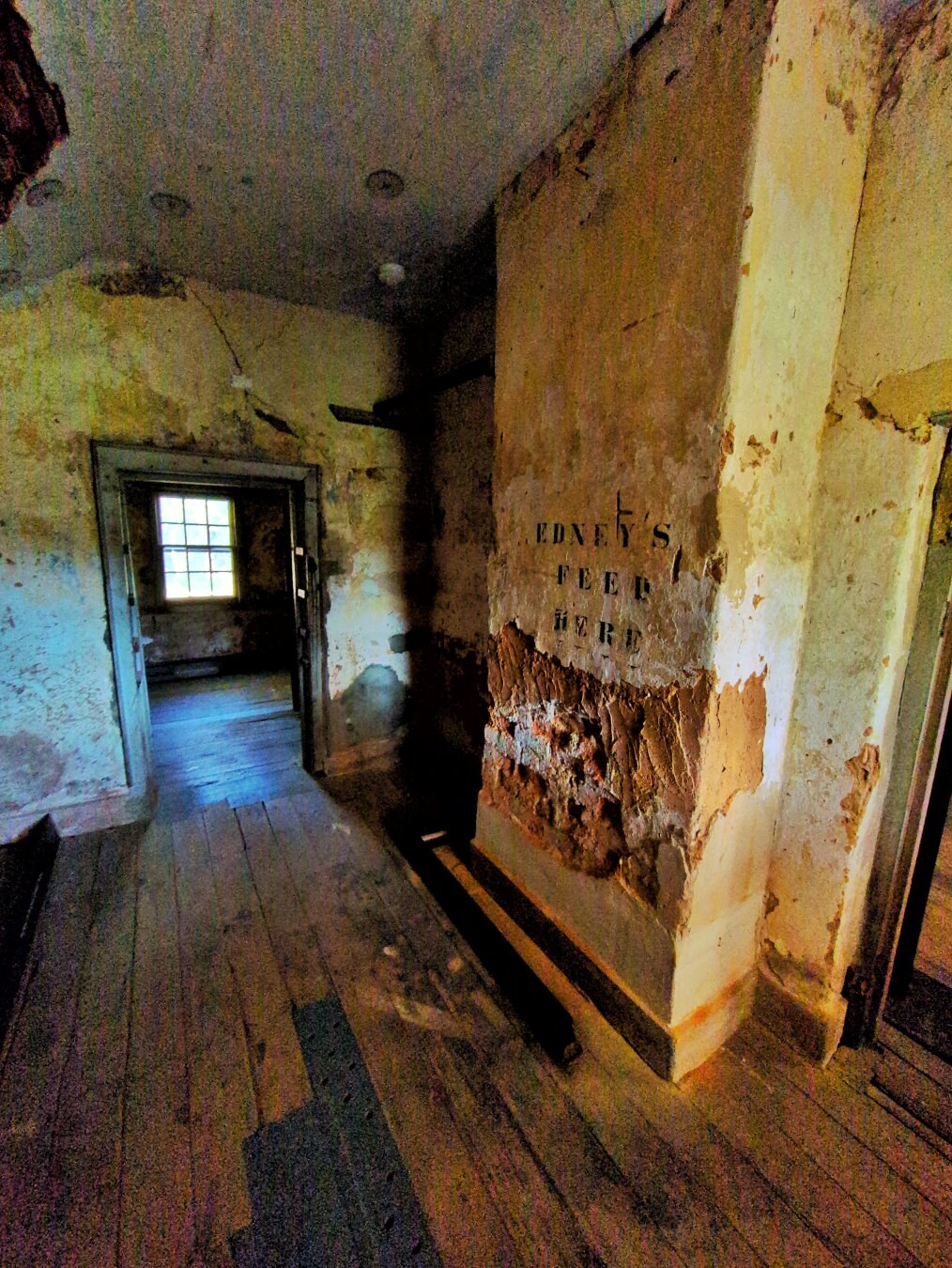
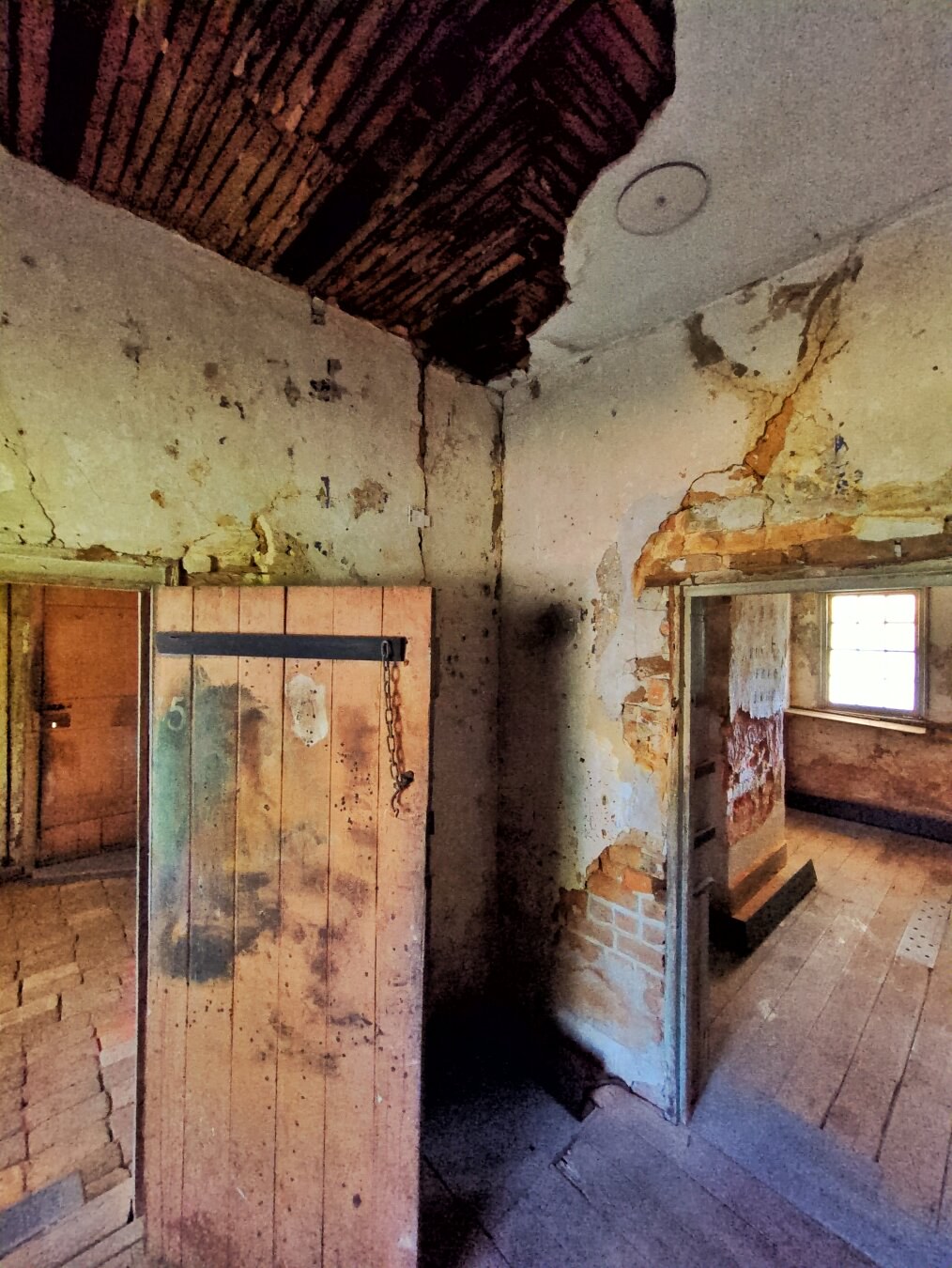
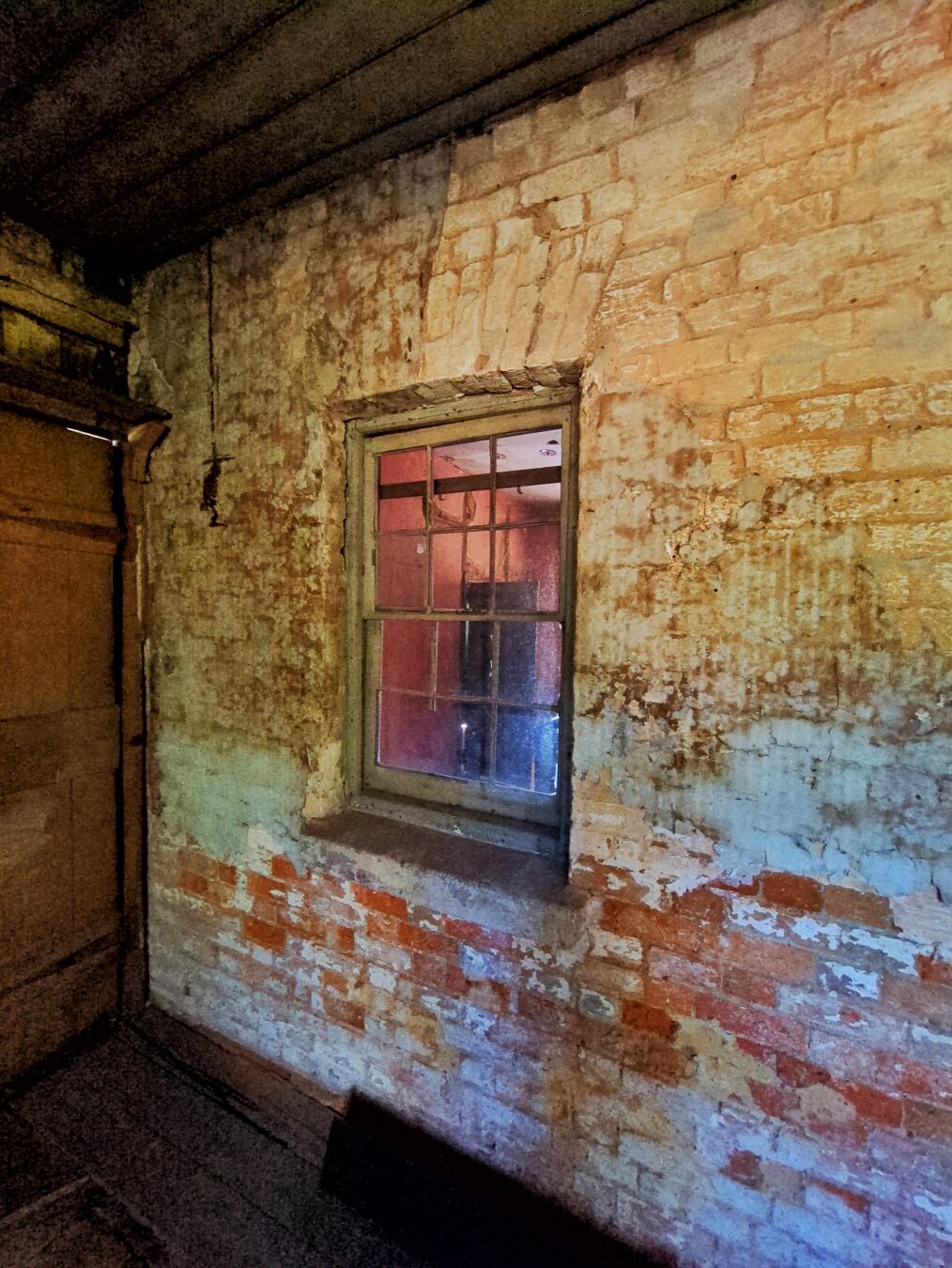
This was one of a number of historic buildings opened to the public as part of Parramatta Open.
#building #buildings #architecture #parramatta #NSW #Australia #photography #buildingphotography #history #ParramattaPark
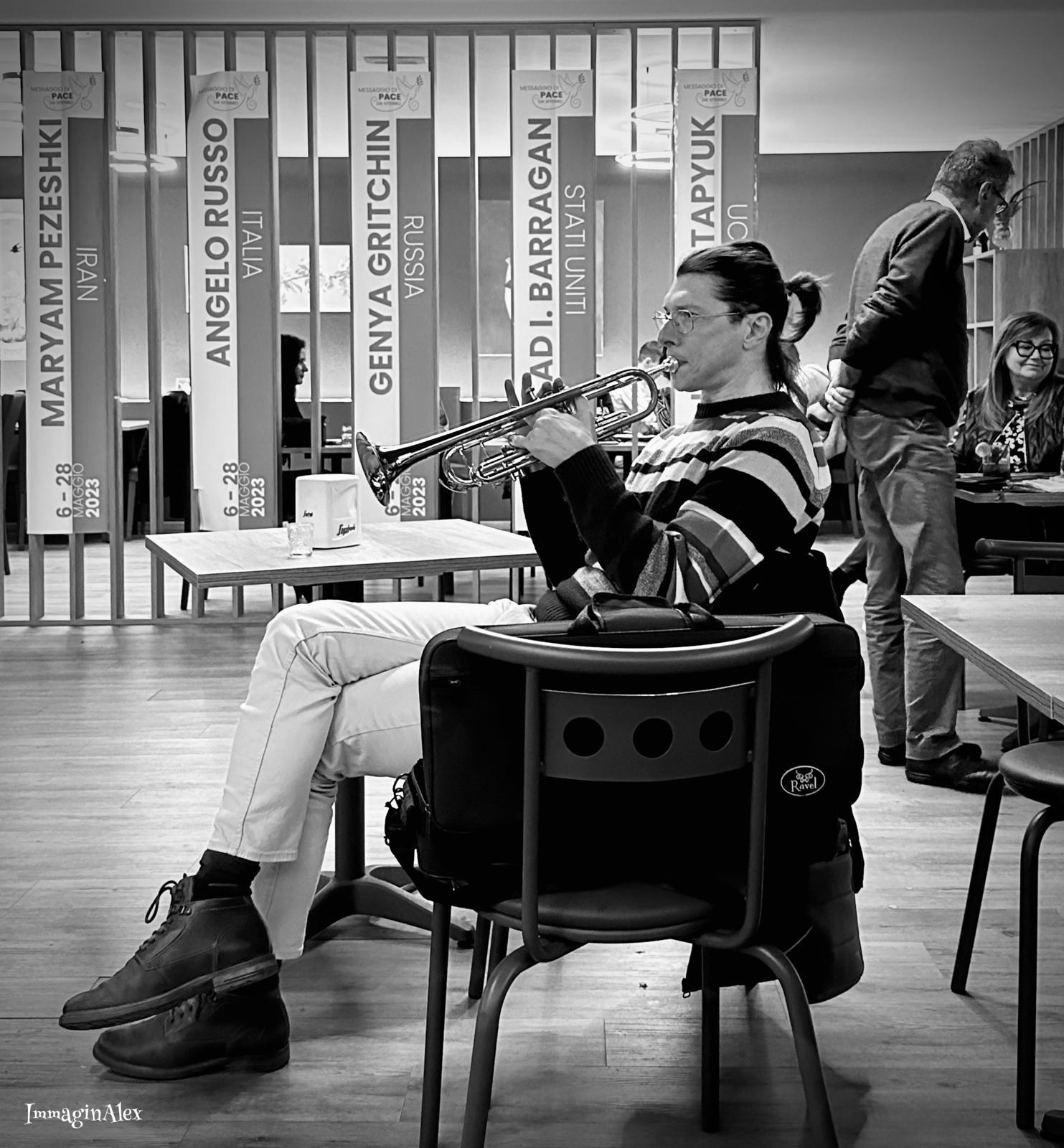
@strk@musician.social @strk@poliverso.org @strkai@techhub.social @strk@littleone.littlefedi.social e da techhub.social (Mastodon) via Tusky vedo il valore corretto (toot-cli) mentre da qui (littlefedi) vedo la stringa errata "littlefedi".
@stefano@mastodon.bsd.cafe sembra un baco di #littlefedi ?
Hello, littleFedi friends!
Some days ago, I created an official account for the littleFedi project. It's still almost empty and I'm planning to populate and starting to post from it after EuroBSDCon.
If you want to receive the official communications about littleFedi, you can already follow that user: @littlefedi_official
Enjoy!
 2
2